



Applications cliniques
Current and emerging therapeutic applications of MRSA in various pathologies.
Therapeutic landscape overview
Current clinical development
Phase I studies
First-in safety and pharmacokinetic studies -human »:
- Dose incremental increase studies in healthy volunteers
- Characterization of the safety profile
- Determination of pharmacokinetic parameters
- Evaluation of biomarker response
Phase II efficacy studies
Validation of concept trials conducted in target populations:
- Diseases leading to muscle wasting
- Bone health disorders
- Age-related decline syndromes
- Metabolic dysfunction
Phase III confirmatory trials
Large-scale efficacy and safety studies:
- Regulatory authorization process
- Comparative effectiveness studies
- Long-term safety assessment
- Patient-reported results
Disorders associated with muscle wasting
Age-related sarcopenia
Clinical problem
Sarcopenia affects millions of elderly people:
- Progressive loss of muscle mass (3 to 8% per decade after age 30)
- Functional decline and frailty
- Increased risk of falls and morbidity
- Health system burden and impact on quality of life
Therapeutic approach to MRSA
Intervention based on mechanism of action:
- Selective anabolic activity in muscle tissue
- Preservation of muscle fiber size and number
- Improved muscle protein synthesis
- Improved muscle function and strength
Clinical trial results
Ostarine in elderly subjects:
- 3-month study in 120 elderly people
- Significant increase in lean mass (1. 4 ± 0.1 kg)
- Improved ability to climb stairs (12.6% increase)
- Improved physical function scores
- Well tolerated with minimal adverse effects
Cancer cachexia
Physiopathology
Complex multifactorial syndrome:
- Systemic inflammation and cytokine dysregulation
- Metabolic dysfunction and catabolism
- Anorexia and decreased food intake
- Degradation of muscle proteins greater than synthesis
MRSA intervention strategy
Targeted anabolic intervention:
- Fight against muscle protein catabolism
- Selective targeting of muscle tissue
- Impact limited on tumor growth
- Association with nutritional support
Clinical data
Enobosarm (Ostarine) in cancer patients:
- Phase III study in 312 patients
- Main endpoint: improvement in lean body mass
- Secondary endpoints: physical function and quality of life
- Demonstrated effectiveness in maintaining muscle mass
- Favorable safety profile in the cancer population
Muscle degeneration associated with chronic diseases
Heart failure
Intervention against cardiac cachexia:
- Preservation of cardiac function thanks to muscle anabolism
- Improved exercise tolerance
- Improved quality of life
- Reduction of risk of hospitalization
Chronic kidney disease
Management of uremic muscle degeneration:
- Fight against the effects of uremic toxins
- Improved protein utilization
- Improved physical function
- Applications in dialysis patients
Muscle loss associated with COPD
Muscle degeneration linked to respiratory diseases:
- Reduction of systemic inflammation
- Preservation of muscle mass
- Improved respiratory muscle function
- Improved exercise capacity
Bone health applications
Treatment of osteoporosis
Mechanistic justification
Double anabolic effect on bones:
- Direct activation of androgen receptors in osteoblasts
- Indirect effects via musculoskeletal interaction
- Improved bone formation markers
- Reduction of bone resorption activity
Clinical trial data
Ligandrol in postmenopausal women:
- 12-week randomized controlled trial
- Significant increase in bone formation markers
- Improved bone mineral density
- Improved function of the musculoskeletal unit
- Acceptable safety and tolerability
Improved fracture consolidation
Bone repair mechanisms
Effects of MRSA on fracture consolidation:
- Accelerated bone callus formation
- Improved osteoblastic activity
- Improved mechanical properties
- Reduction of consolidation time
Prevention of osteoporotic fractures
Primary prevention strategy:
- Increase in bone density and quality
- Improved muscle strength and balance
- Reduced risk of falls with improved function
- Complete musculoskeletal protection
Metabolic and endocrine applications
Treatment of hypogonadism
Male hypogonadism
Alternative to testosterone replacement therapy:
- Selective tissue targeting
- Preservation of fertility potential
- Reduced effects on the prostate
- Better compliance with oral administration
Clinical comparative studies
MRSA vs. testosterone treatment:
- Similar anabolic effects on muscles and bones
- Reduced androgenic side effects
- Maintenance of libido and sexual function
- Less impact on cardiovascular risk factors
Growth hormone deficiency
Clinical applications of MK677
Growth hormone secretagogue therapy:
- Stimulation of endogenous GH release
- Increased IGF-1 levels
- Improved body composition
- Improved sleep quality and recovery
Growth disorders in children
Potential alternative to GH injections:
- Benefit of oral administration
- Physiological GH release profile
- Reduction of therapeutic load
- Long-term safety considerations
Metabolic syndrome
Improved insulin sensitivity
Effects of MRSA on glucose metabolism:
- Increased absorption of glucose by muscles
- Improved insulin signaling
- Reduction of visceral adiposity
- Better glycemic control
Benefits on lipid profile
Metabolic improvements:
- Reduction of total cholesterol and LDL cholesterol
- Maintenance or improvement of HDL levels
- Decrease triglyceride concentrations
- Improved lipid oxidation capacity
Neurological and cognitive applications
Neuroprotective effects
Neuroprotection of RAD140
MRSA penetrating the brain and endorsed with neuroprotective properties:
- Protection against neurotoxic attacks
- Preservation of neuronal function
- Potential applications in Alzheimer’s disease
- Improvement of cognitive functions
Neuroprotective mechanism
Effects mediated by androgen receptors:
- Activation of the neuronal survival pathway
- Reduction of oxidative stress
- Improved synaptic plasticity
- Improved neurogenesis
Improved cognitive performance
Memory and learning abilities
Potential cognitive improvements:
- Improved working memory
- Improved learning abilities
- Increased concentration
- Improved mental performance
Neurodegenerative diseases
Potential therapeutic applications:
- Alzheimer’s disease
- Parkinson’s disease
- Amyotrophic lateral sclerosis (ALS)
- Multiple sclerosis
Cardiovascular applications
Improved cardiac function
Heart muscle strengthening
Effects of MRSA on cardiac function:
- Preservation of muscle mass cardiac
- Improved contractile function
- Improved exercise tolerance
- Reduced hospitalizations
Vascular health
Effects on the vascular system:
- Improved endothelial function
- Reduction of vascular inflammation
- Improved blood circulation
- Supported vascular elasticity
Reduced cardiovascular risks
Metabolic risk factors
Improved metabolic parameters:
- Improved body composition
- Reduction of visceral fat mass
- Improved glycemic control
- Optimization of lipid profile
Reduction of inflammation
Systemic effects:
- Reduction of inflammatory markers
- Improved immune regulation
- Decreased chronic inflammatory processes
- Support for general cardiovascular health
Female health applications
Postmenopausal health
Preservation of muscle and bone mass
Therapeutic objectives in postmenopausal women:
- Preservation of lean muscle mass
- Support of bone density
- Reduction of the risk of osteoporotic fractures
- Improved physical function
Hormonal balance
Potential endocrine benefits:
- Selective activation of anabolic pathways
- Minimization of androgenic effects undesirable
- Improved metabolic stability
- Support for general quality of life
Rehabilitation and functional recovery
After orthopedic intervention
Support for functional recovery:
- Accelerated muscle regeneration
- Improved restoration of muscle strength
- Reduction in convalescence time
- Improved mobility
After prolonged immobilization
Restoration of muscle structure:
- Prevention muscle atrophy
- Accelerated restoration of muscle mass
- Improved functional abilities
- Rehabilitation support
Applications related to aging and longevity
Healthy aging
Preservation of functional capacities
Strategies to promote healthy aging:
- Preservation of muscular strength
- Improvement of mobility
- Support of daily autonomy
- Reduction of age-related functional limitations
Improved body composition
Metabolic benefits with age:
- Preservation of lean mass
- Reduction of age-related fat accumulation
- Improved insulin sensitivity
- Support for energy balance
Longevity research
Cellular mechanisms
Potential molecular effects:
- Reduction of oxidative stress
- Improvement of mitochondrial function
- Support for protein homeostasis
- Improved cell regeneration
Prevention of age-related diseases
Long-term health strategies:
- Reduction of muscle weakness linked to age
- Support for cognitive functions
- Improved metabolic stability
- Preservation of general physical abilities
Combined therapies
Multimodal treatment strategies
Combination with physical exercise
Synergistic effects:
- Enhanced muscle protein synthesis
- Improved muscle strength development
- Optimized functional adaptation
- Improved training adaptation
Combination with nutritional interventions
Supportive nutritional strategies:
- Optimization of protein intake
- Improvement of micronutrient intake
- Support of energy metabolism
- Promotion of muscle regeneration
Pharmacological combinations
Combination with antiresorptive agents
Bone health:
- Improved bone mineral density
- Reduced fracture rate
- Synergistic effects on bone strength
- Long-term maintenance of bone health
Combination with metabolic therapies
Metabolic optimization:
- Improved insulin sensitivity
- Improved lipid metabolism
- Reduction of cardiometabolic risks
- Optimization of metabolic control
Future therapeutic directions
Next generation MRSA
Improved selectivity
Advances in molecular development:
- Increased tissue selectivity
- Reduction of off-target effects
- Optimized pharmacokinetic profiles
- Improved therapeutic window
New therapeutic targets
Innovative approaches:
- Tissue-specific androgen receptor modulation
- Combination with other signaling pathways
- Development of selective co-regulator modulators
- Integration into personalized therapeutic approaches
Personalized medicine
Biomarker-based therapy
Individualized treatment strategies:
- Selection of patients according to molecular markers
- Prediction of therapeutic response
- Optimization of dosage and duration of treatment
- Reduction of adverse effects
Genetic factors
Influence of individual variability:
- Pharmacogenomic differences
- Variability of receptor expression
- Individual metabolic profiles
- Personalized therapeutic planning
Regulatory considerations
Authorization requirements
Clinical data
Clinical development requirements:
- Demonstration of efficacy and safety
- Randomized controlled trials large-scale
- Long-term safety data
- Relevant clinical endpoints
Safety assessment
Regulatory endpoints:
- Monitoring of hormonal effects
- Cardiovascular risk assessment
- Long-term monitoring of potential adverse effects
- Pharmacovigilance and risk management
Ethical aspects
Therapeutic use vs. non-therapeutic
Delimitation of medical use:
- Clear indication
- Prevention of abuse
- Compliance with medical recommendations
- Responsible use in clinical practice
Patient safety
Fundamental principles:
- Informed consent
- Transparent risk information
- Continuous medical surveillance
- Strict compliance with regulatory requirements
Conclusion
MRSAs represent a promising class of therapeutic agents with a broad spectrum of applications. Through their selective action on androgen receptors, they enable targeted anabolic effects while reducing unwanted androgenic side effects. Clinical development demonstrates considerable potential in various indications, including muscle wasting disorders, bone diseases as well as metabolic and age-related.Despite promising results, additional large-scale clinical trials are needed to comprehensively evaluate long-term safety and effectiveness. Future developments in the field of personalized medicine and molecular optimization could further expand therapeutic possibilities. Rigorous regulatory assessment as well as responsible clinical use are essential to fully exploit the potential of this therapeutic class while ensuring the patient safety.

CORE SARMS s’engage à fournir des compléments alimentaires de qualité supérieure qui aident les athlètes et les adeptes du fitness à atteindre leurs objectifs de performance. Fidèles à notre engagement d’excellence et de transparence, nous sélectionnons uniquement des ingrédients de la plus haute qualité et soumettons chaque produit à des tests rigoureux. Notre équipe d’experts reste à la pointe de la science de la nutrition sportive pour vous proposer des formules de pointe qui donnent de vrais résultats. Que vous souhaitiez développer votre masse musculaire, perdre du poids ou optimiser votre récupération, CORE SARMS est votre partenaire de confiance pour atteindre des performances de haut niveau.

Produits associés
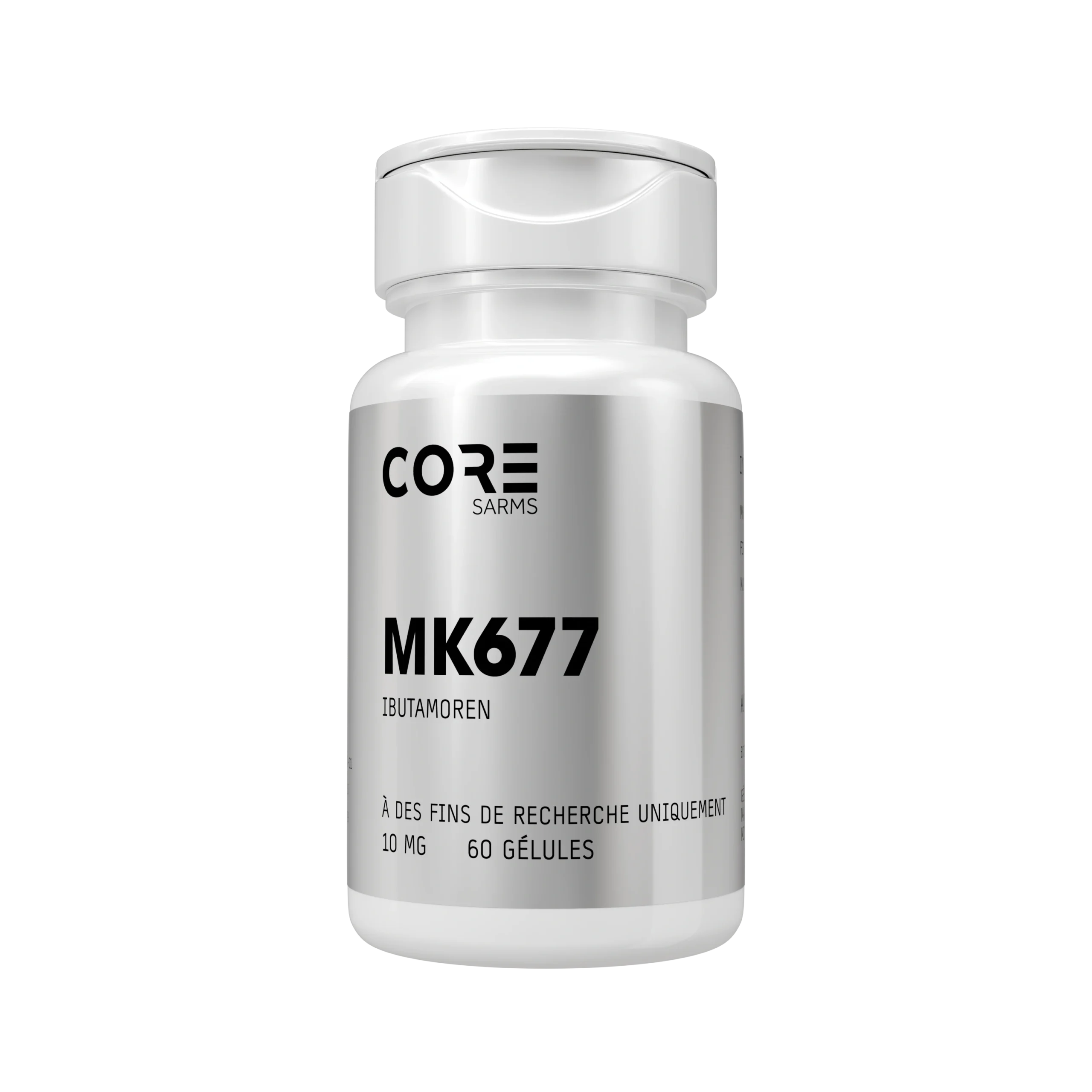
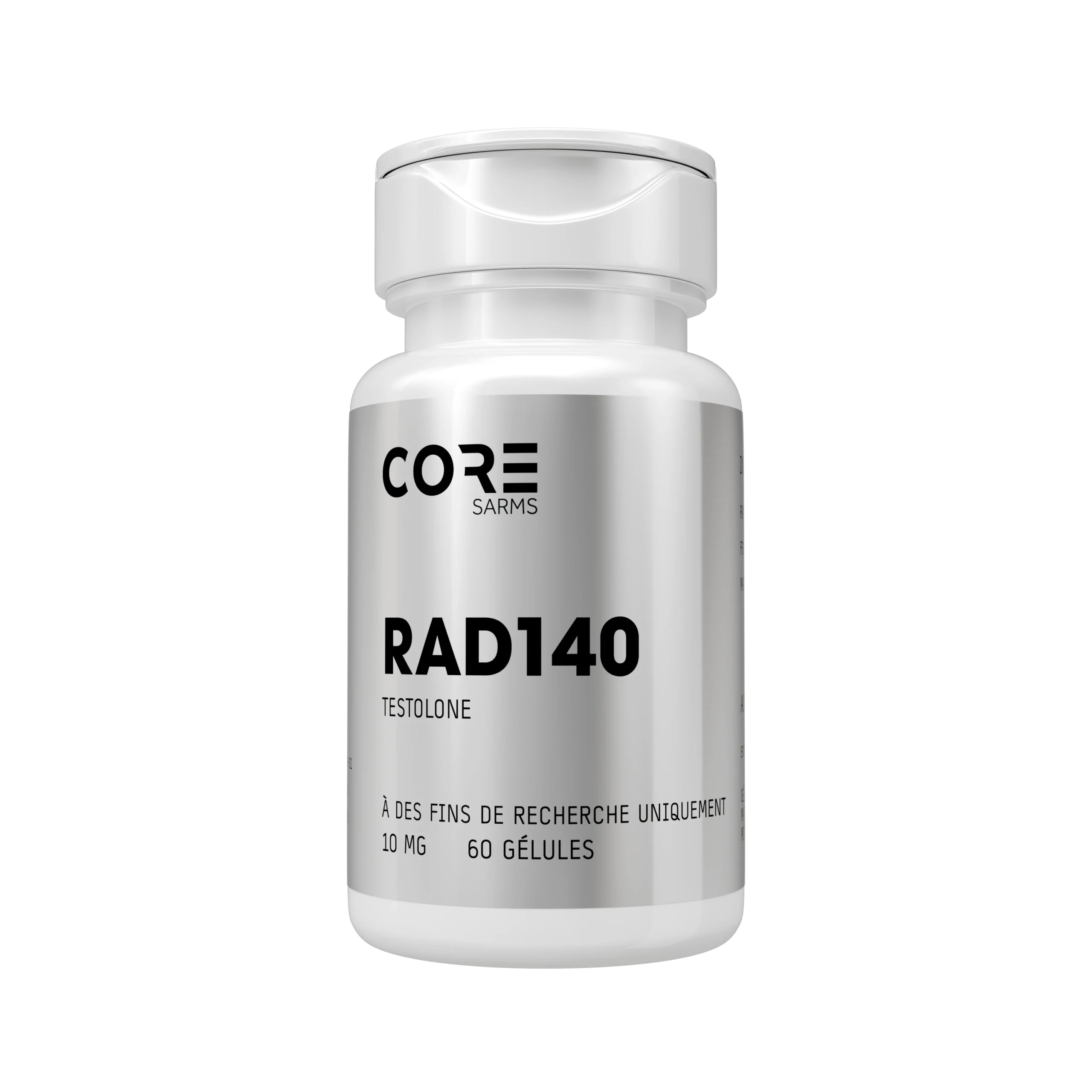
RAD-140 (Testolone)
SARM hautement sélectif pour le développement de la masse musculaire maigre
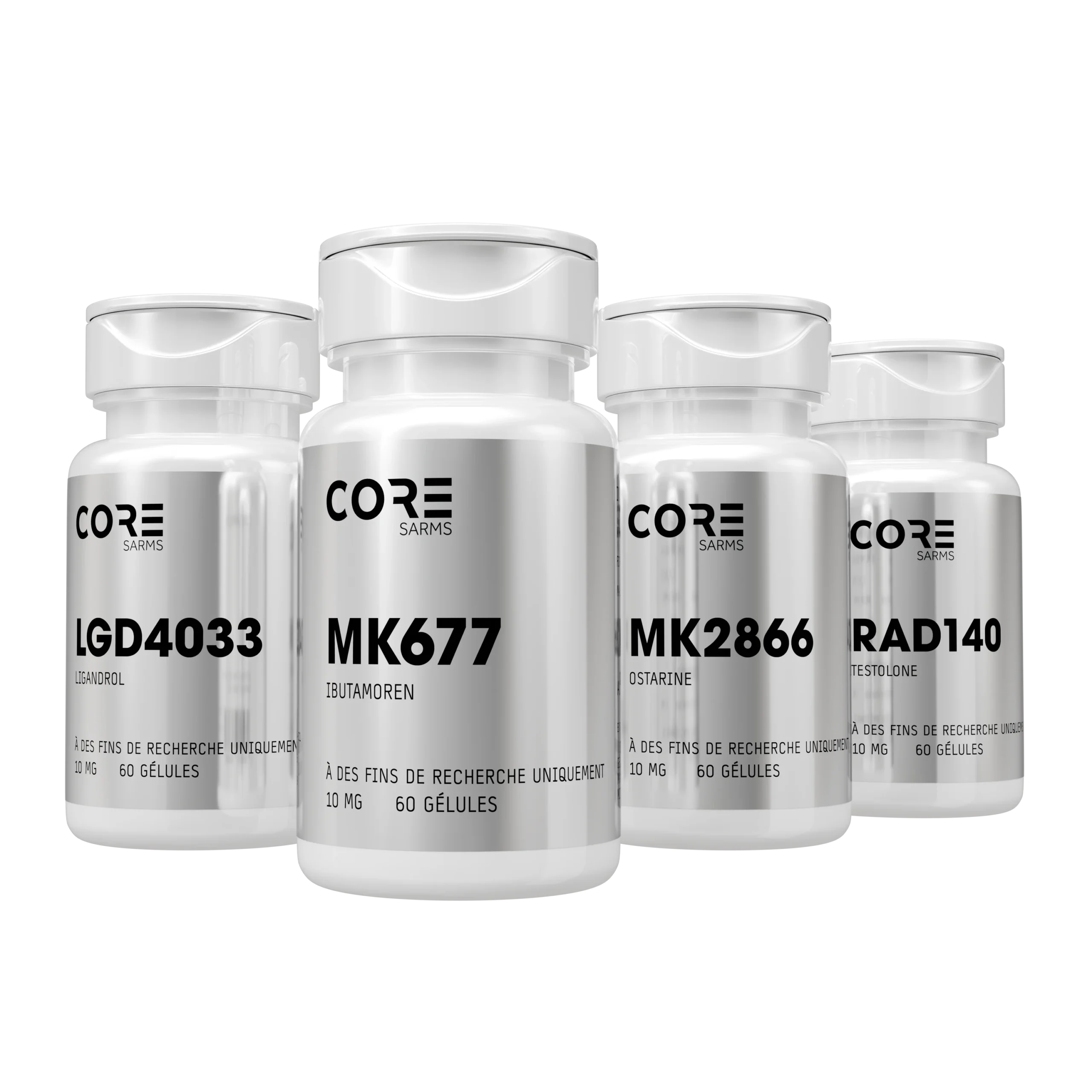
Pack de prise de masse musculaire
Kit complet pour la prise de masse musculaire : Ligandrol, Testolone, Ostarine, Ibutamoren
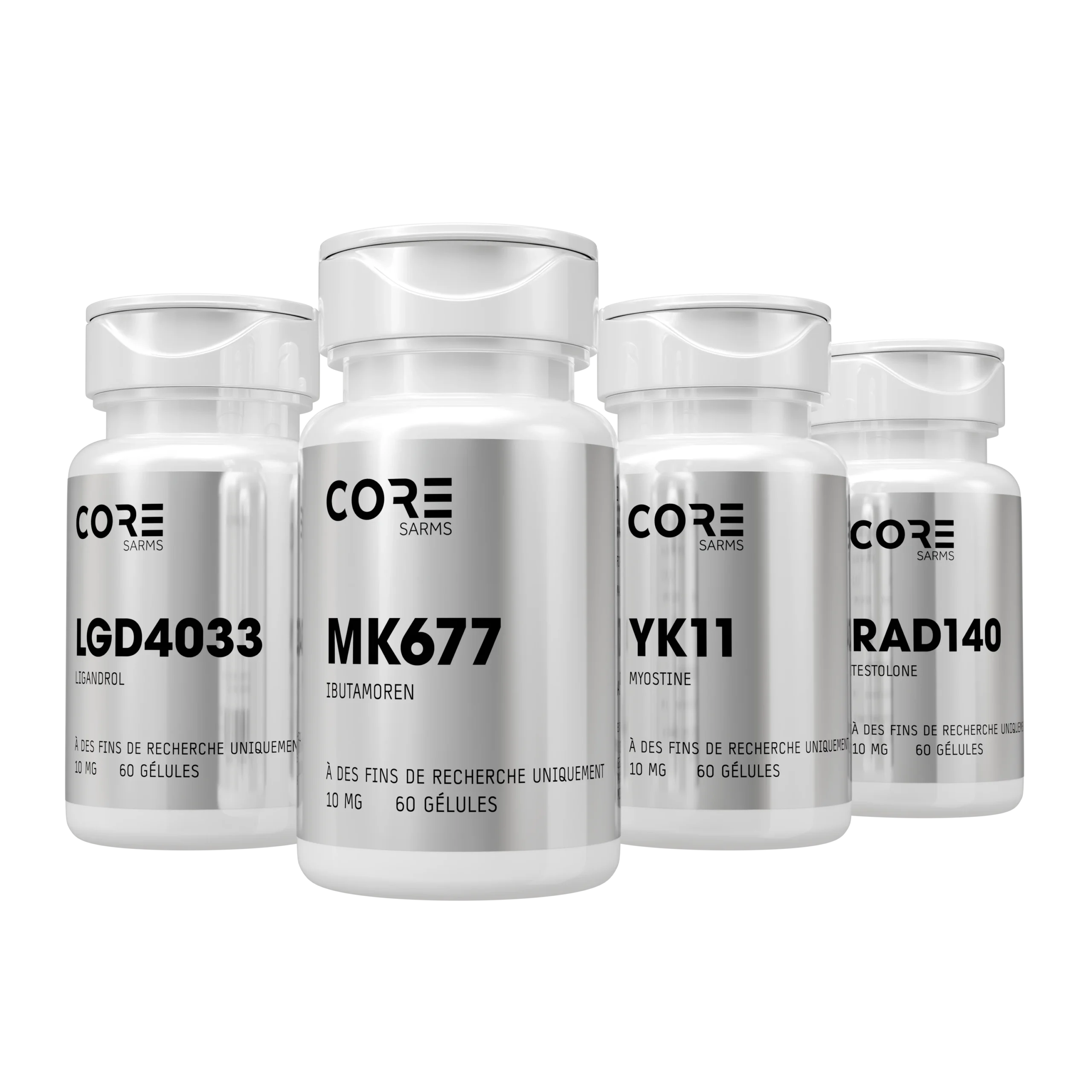
Pack prise de masse
Puissance maximale pour la prise de masse : YK11, Ligandrol, Testolone, Ibutamoren
Articles connexes
Aucun article connexe trouvé.